
Prescription Drug Diversion: Clinical Management, Prevention, and Protection (Oregon Pain Management Credit)
COPE #104695-EJ
OBO #1484 (Pain Management)
Event #133018
Expiration Date: 05/12/2029
Write your awesome label here.
Video
Watch course online
Text material
Course slides for you to following along
Exam
Take and pass the exam with a 70% or higher
Certificate
Download CE Certificate
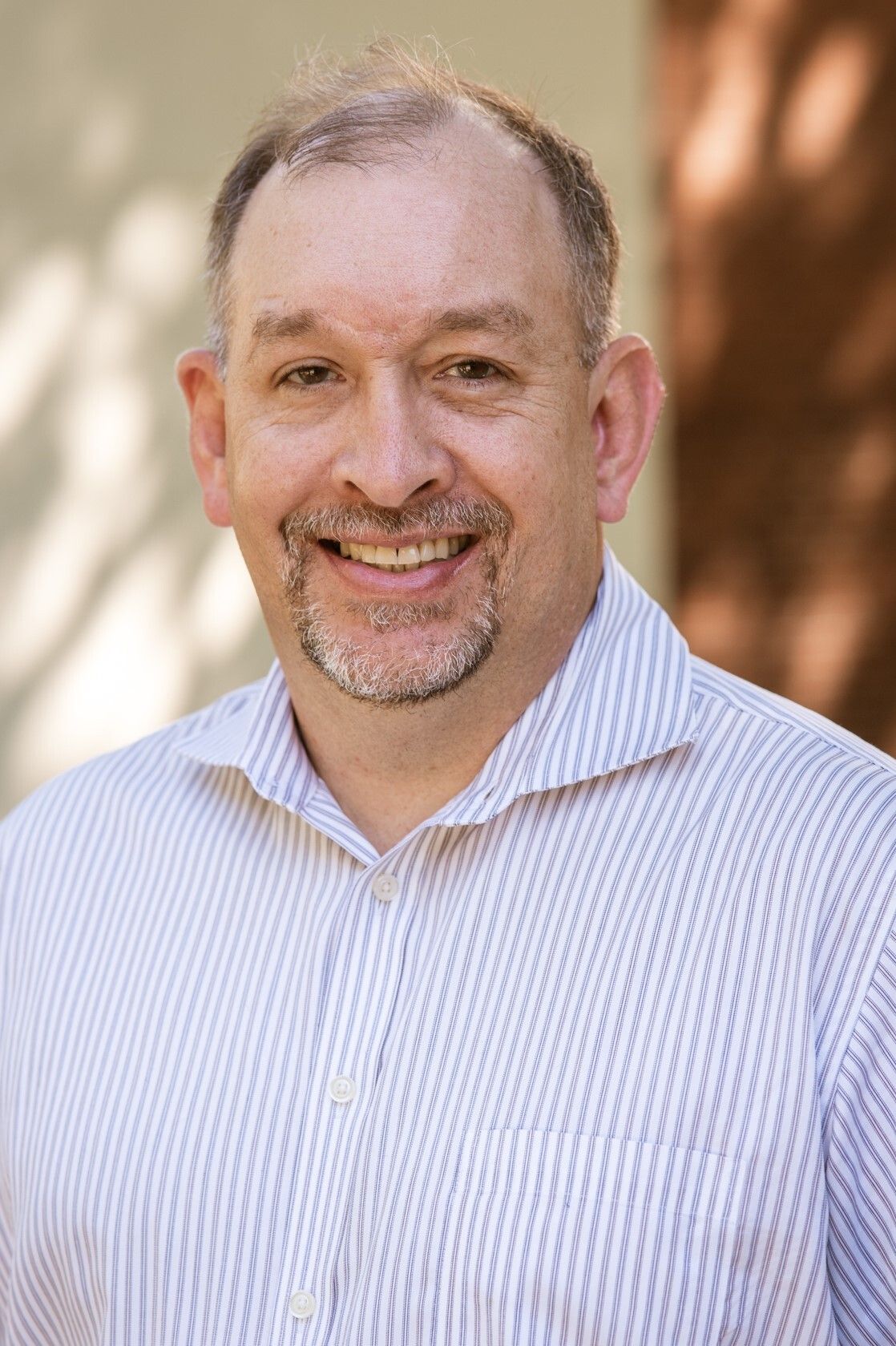
Getting to know our speakers
Tad Buckingham, OD, FAAOMS
Dr. Buckingham received his optometric degree at Pacific University, College of Optometry in 1994. Dr. Buckingham has embraced educational and occupational diversity for over twenty-five years. As an attending optometric physician at Pacific University College of Optometry, he has guided students in both Contact Lenses and Ocular Disease/Special Testing Service. He has worked in both private practice and mobile optometry, focusing on geriatric care facilities.
He recently retired from Forest Grove Fire and Rescue. His experience in fire and emergency services has allowed him to impact emergent eye care and ocular injections, and to develop guidelines to manage medical emergencies in the primary care office.
He recently retired from Forest Grove Fire and Rescue. His experience in fire and emergency services has allowed him to impact emergent eye care and ocular injections, and to develop guidelines to manage medical emergencies in the primary care office.